Short answer: African black soap tingles because it is genuinely alkaline. The potash ash from burned plantain peels and cocoa pods lathers at roughly pH 9-10, well above the 4.5-5.5 your skin’s acid mantle holds, and the surfactants strip the surface lipids that normally buffer it. That pH jump and lipid stripping are what switch on the stinging nerve endings in your outermost skin layer.
A mild tingle that fades within a minute or two is a normal part of how a traditional ash soap works. A sting that builds into burning, spreading redness, itching that lasts hours or peeling that shows up days later is your skin barrier telling you the product and your skin are a poor match.
Table of Contents
- 1What Causes African Black Soap to Tingle on Skin?
- 2Why African Black Soap Tingles on Skin
- 3Does a Tingle Mean African Black Soap Is Working?
- 4Which Ingredients or Skin Types May Make It Worse?
- 5How to Use African Black Soap Without Irritation
- 6How often is too often?
- 7When Should You Stop Using African Black Soap?
- 8Frequently Asked Questions
- 9Why does African black soap tingle on skin?
- 10Is a mild tingle normal the first time I use black soap?
- 11Can African black soap burn my face?
- 12How often can I use African black soap without irritation?
- 13Why does my black soap sting more than it used to?
- 14Conclusion
What Causes African Black Soap to Tingle on Skin?
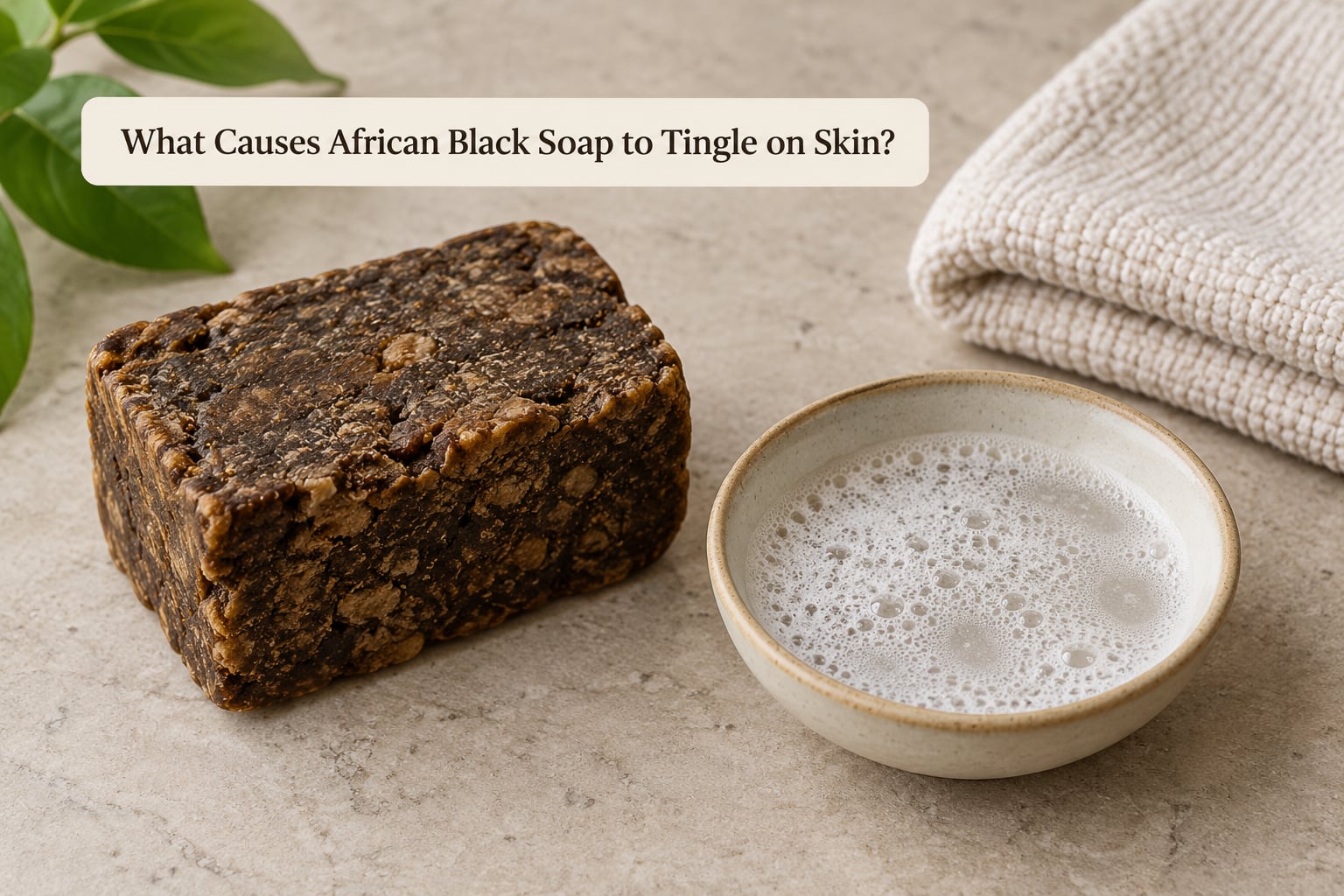
The tingle comes down to chemistry, not folklore. Traditional black soap is saponified with potassium salts derived from ash rather than the sodium hydroxide used in many modern bars, and ash-derived soap lands firmly on the alkaline side of the scale.
| What you are testing | Typical pH |
|---|---|
| Healthy skin surface (acid mantle) | about 4.5 to 5.5 |
| Traditional ash-based black soap bar | about 9 to 10 |
| Gentle daily facial cleanser | about 5 to 5.5 |
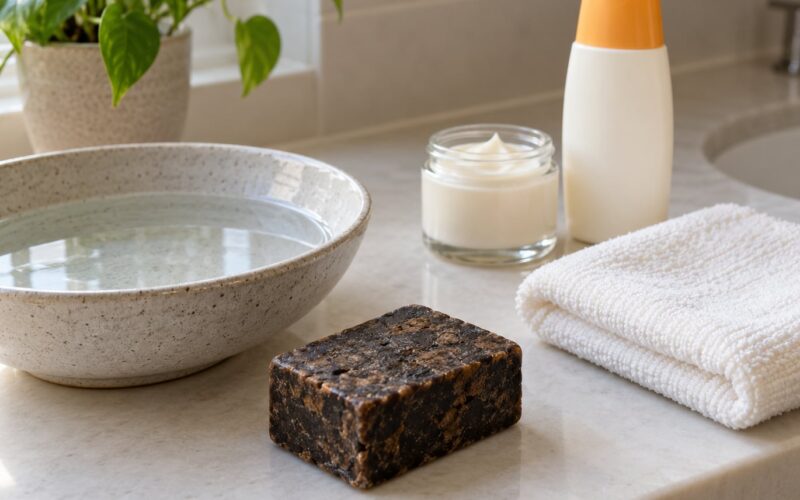
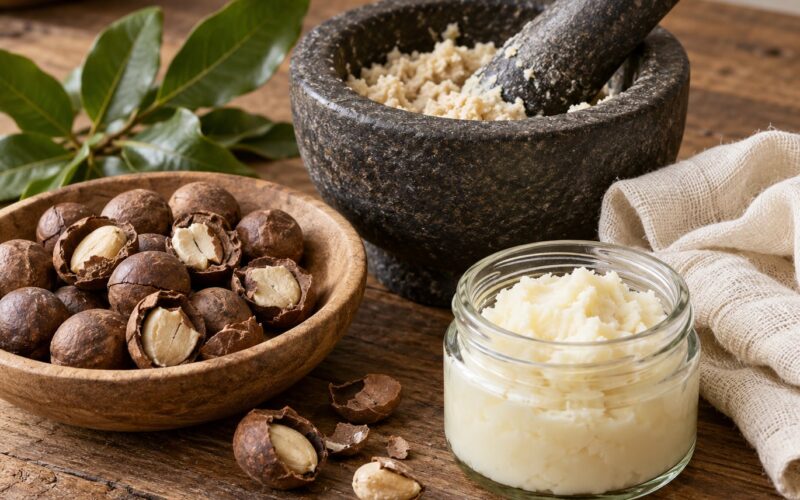
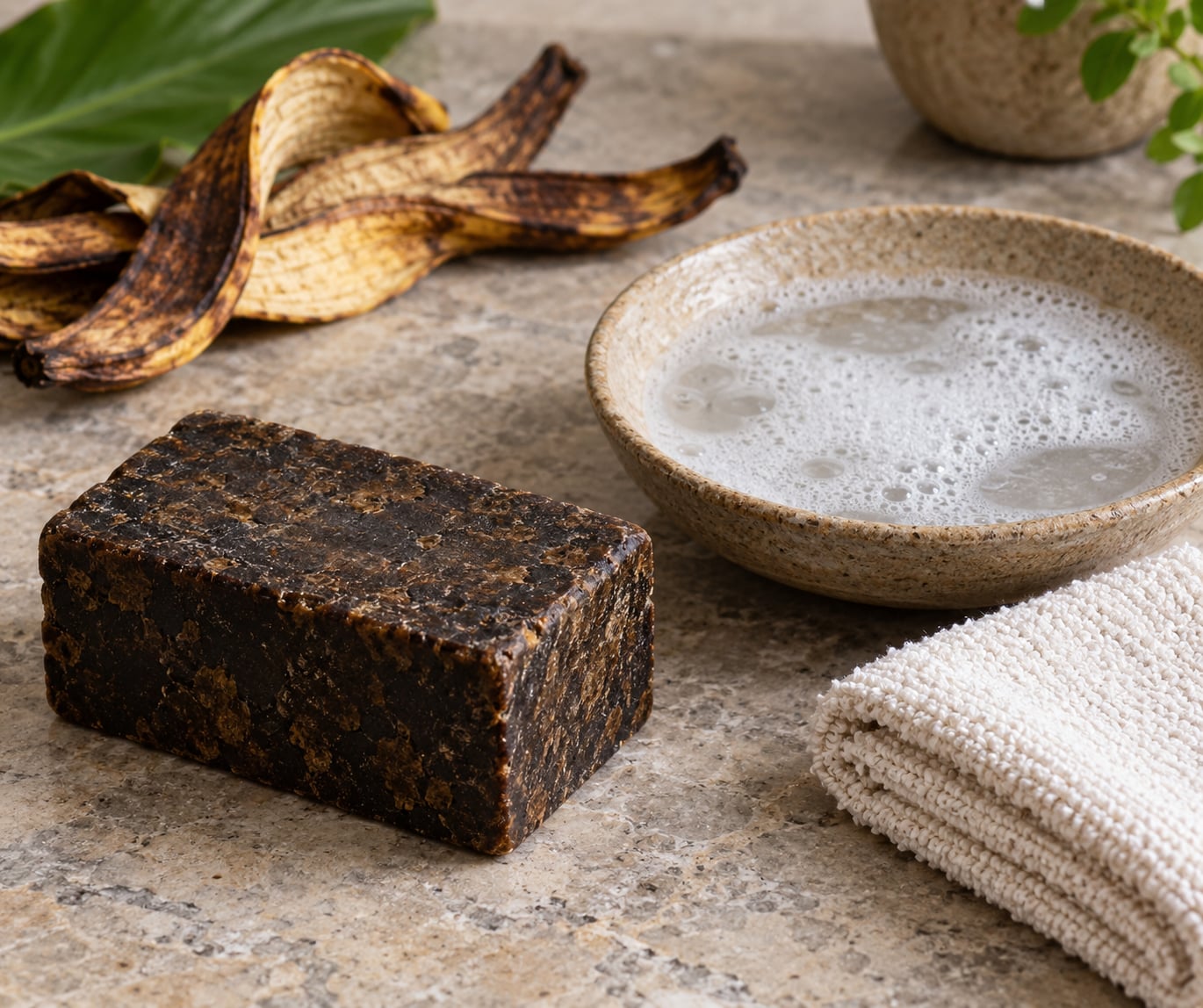
The ash process is the reason, and it is worth understanding where it comes from. West African soap makers burn plantain peels and cocoa pods, sift the ash for the potassium-rich potash it contains, then combine it with palm kernel oil, shea butter and other plant fats. The ash is what makes the bar dark, crumbly at the edges and distinctly alkaline, and it is the same property that produces the sensation on your skin.
Why African Black Soap Tingles on Skin
Three mechanisms work together, and you can feel all of them.
- The alkaline pH shift. Skin’s acid mantle sits near pH 4.5 to 5.5. A potash soap lather running at pH 9 to 10 lands several pH units above that range, and the burnished strip of skin on your face feels it first.
- Surfactant action on the stratum corneum. Soap molecules lift oil and dead cells off the surface of the outermost skin layer. That layer is held together by lipids, and stripping them quickly is what makes skin feel tight, squeaky and reactive afterward.
- Mechanical abrasion. A real black soap bar has an uneven, crumbly surface. Rubbing that texture across skin adds a scrubbing component that a smooth commercial bar does not have, and the crumbly bits concentrate the alkaline lather in small spots.
That last point explains a lot of the variation people notice. Someone who whipped the bar into a thick lather in their hands and applied it with flat fingers will feel far less than someone who rubbed the damp bar directly across their face for thirty seconds. Water temperature matters too: hot water strips lipids faster and raises the pH shift, which is why a hot shower is the worst setting for a first use.
Skin location matters as much as technique. Body skin, thicker and oilier, tends to tolerate an ash soap far better than facial skin. Cheeks, the area around the nose and the skin of the neck are thinner and more reactive, which is why the same bar can feel like a deep cleanse on your shoulders and a sting on your cheeks.
Does a Tingle Mean African Black Soap Is Working?
No, and this is where most of the confusion lives. A gentle tingle is a byproduct of the cleansing chemistry, not a measure of how well the product works, so more sensation is never better. If a soap only feels effective when it burns, the signal is irritation, not efficacy.
Here is the triage most people find useful.
| Sensation | How long it lasts | What it means | What to do |
|---|---|---|---|
| Tingle or light fizzing | Under a minute or two | Normal alkaline contact with an intact barrier | Rinse, moisturize, continue at a low frequency |
| Sting that builds while you lather | Several minutes, fades after rinsing | Barrier lipids stripped faster than they can rebuild | Dilute the lather, use lukewarm water, use less often |
| Burning with spreading redness or hives | Hours, sometimes days | Irritant or allergic contact dermatitis | Stop, rinse, moisturize, see a clinician if it persists |
| Burning with blistering or pain out of proportion | Days | Chemical injury from overuse or an unreacted base | Stop immediately and get medical advice |
Products sold as deep cleansers or exfoliants do not require an uncomfortable reaction to do their job. If a bar needs twenty minutes of burning to feel like it worked, it is simply too harsh for that skin.
Which Ingredients or Skin Types May Make It Worse?
The ash is not the only variable, and this is where ingredient labels earn their keep. Added fragrance and parfum are the most common hidden triggers, followed by essential oils such as lime or lavender, added dyes, and botanical extracts like aloe or camwood. None of these belong in a plain ash soap, and any of them can trigger a reaction in someone the soap itself would otherwise suit.
Read the ingredient list and treat anything beyond the base oils, the ash-derived soap and water as a variable you are testing on your skin.
Skin condition matters at least as much as ingredients.
- Recently shaved or waxed skin and freshly broken skin have no protective film, so the pH shift lands directly on exposed nerve endings.
- Cracked, very dry or eczema-prone skin already has a compromised lipid barrier, and alkaline soap strips what little remains.
- Rosacea-prone skin has a low tolerance for pH swings and heat, both of which a hot alkaline wash delivers at once.
- Mature or thin skin produces less oil and repairs barrier damage more slowly, so a soap that was fine in your twenties can start to sting in your forties.
- Dry or winter air is a seasonal factor rather than a skin type, but it is the most common reason someone who tolerated the soap all summer suddenly finds it burning.
Seasonal change is a good sanity check. If the same bar and the same routine worked in June and sting in January, the soap did not change, your barrier did.
How to Use African Black Soap Without Irritation
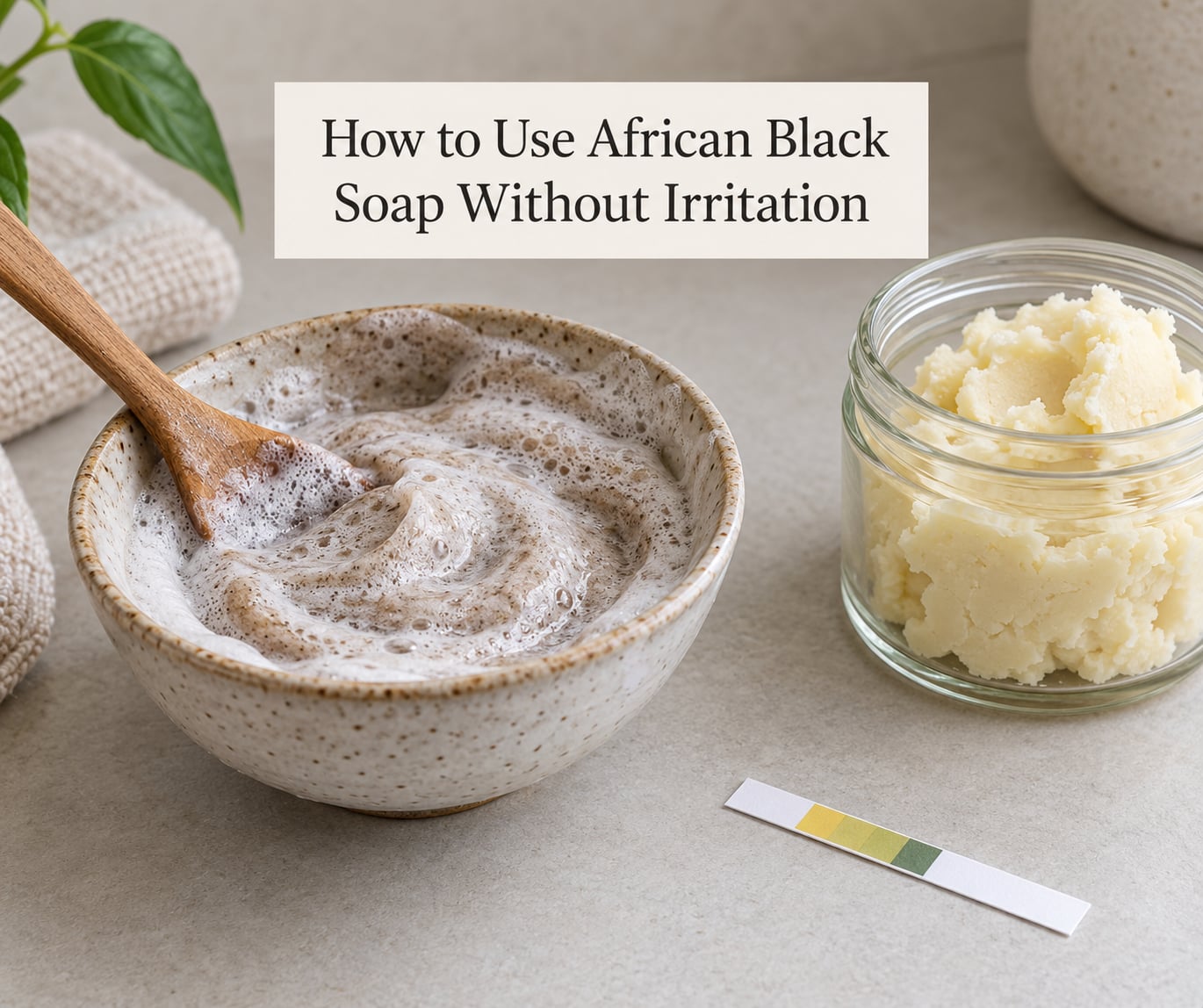
Most of the reduction comes from technique rather than from buying a different product.
- Patch test first. Work a small amount into the inside of your forearm or behind your ear, leave it on as the label directs, and wait 24 hours before touching your face.
- Lather in your hands, not on your face. A generous foam diluted with water spreads the alkaline load thinly instead of concentrating it.
- Use lukewarm water. Hot water removes lipids faster and raises the pH shift, which amplifies every other factor.
- Keep contact time to what the label says. Do not leave it sitting as a treatment, and skip scrubbing or exfoliating gloves on top of it.
- Moisturize within a few minutes of rinsing. Shea butter, coconut oil or a body butter is the step regular users have in common, and it is the step that keeps the barrier intact.
How often is too often?
One to three uses a week suits most people, and oily or combination skin can usually handle the upper end. Facial skin that reacts should start at once a week and only increase if nothing happens. Daily use is where the pattern that worries me shows up: after two to four weeks of washing with it every day, users commonly report skin that is oilier than before along with fine flaking and small breakouts, because a stripped barrier compensates by producing more oil.
Keep the rest of your routine simple. Cleansing is not the only place a product can irritate, and a strong active acid or retinoid layered on a freshly cleansed alkaline face is a common reason the sting feels far worse than the soap alone would.
When Should You Stop Using African Black Soap?
Stop washing and rinse with lukewarm water if burning gets worse instead of easing, if itching is intense or spreads beyond where you applied it, or if you see swelling, hives, blistering, cracking or redness that keeps expanding over the following hours.
Rinse gently rather than scrubbing the lather off, pat the skin dry and apply a plain, unscented moisturizer. Do not reach for exfoliating acids or steroid creams on your own to calm it.
Seek medical care promptly for swelling of the face or throat, hives with breathing difficulty, blistering or weeping, or burns and skin pain that outlast a day. Any of those means the reaction has moved past what a home routine should manage. Contact dermatitis from a product can also settle into a sensitized state, where the same soap causes a stronger reaction each time, so it is worth getting a clinician’s view before trying again.
For recovery after stopping, users commonly report improvement over one to two weeks once they stop the soap and moisturize consistently, though persistent rashes and irritation lasting a couple of months are also reported. Skin that still feels raw after a month is a reason to see a dermatologist rather than to try a different ash soap.
One more warning sign that gets missed: if the reaction includes hair thinning or clumping at the scalp, stop using it there immediately. Scalp tingling uses the same mechanism as facial tingling, but the skin is thinner and the consequences are harder to reverse.
Frequently Asked Questions
Why does African black soap tingle on skin?
The tingle comes from the soap’s alkalinity. Black soap is saponified with potash ash from burned plantain peels and cocoa pods, so the lather sits around pH 9-10 while your skin’s acid mantle sits near 4.5-5.5. That pH jump, plus surfactants stripping the lipids from your stratum corneum, activates stinging nerve endings in the outermost layer of skin.
Is a mild tingle normal the first time I use black soap?
Yes, a brief fizzing or light tingle that fades within a minute or two of rinsing is a common response to an ash-based soap, especially on body skin. What is not normal is a sting that intensifies while you lather, or redness, itching or peeling that lasts for hours or shows up the next day. Judge the reaction over a short window rather than chasing a stronger tingle.
Can African black soap burn my face?
It can irritate it, and that is the most common complaint from first-time users. Facial skin is thinner and reacts more strongly than body skin, so the alkaline pH jump lands harder there. If you want to use it on your face, patch test for 24 hours first, lather in your hands and dilute the foam, use lukewarm water, and moisturize right after. Stop if burning persists past rinsing.
How often can I use African black soap without irritation?
One to three times a week is the range most people tolerate, with oily or combination skin usually handling the upper end. Daily use is where barrier damage shows up, often after two to four weeks, as rebound oil, flaking and fine breakouts. Facial skin that reacts should start at once a week and only increase if nothing happens, and a moisturizer after every wash matters more than frequency.
Why does my black soap sting more than it used to?
The soap usually did not change. Seasonal conditions such as cold, dry winter air reduce your skin’s natural oil and weaken the barrier, so the same bar that felt fine in summer starts to burn in January. Added fragrance, essential oils or dyes in a reformulated commercial bar are other common reasons. Patch test again, dilute the lather more, and consider a formulated wash over a raw ash bar.
Conclusion
If you are new to black soap, start with a small amount on one patch of skin and give it a full day. That is the safest first step, and it costs nothing more than patience.
Judge the reaction over a short window rather than by how strongly the soap makes you feel it. A mild tingle that fades is a normal byproduct of the alkaline ash doing its work, and using it one to three times a week with a moisturizer right afterward keeps most people comfortable. Stop as soon as the sensation turns into burning, spreading redness or itching that lasts, and see a healthcare professional for advice tailored to your skin if symptoms persist after you stop.