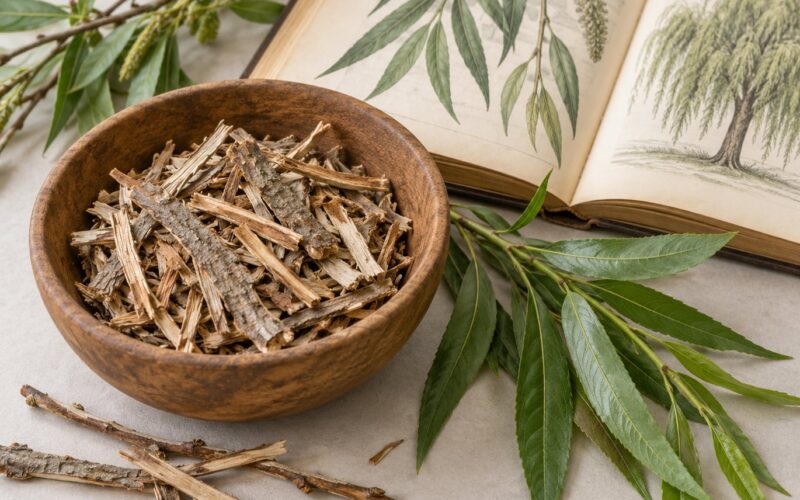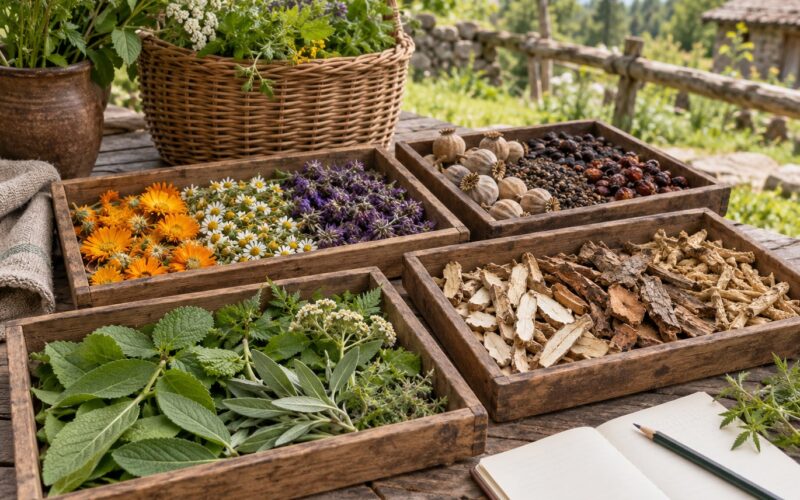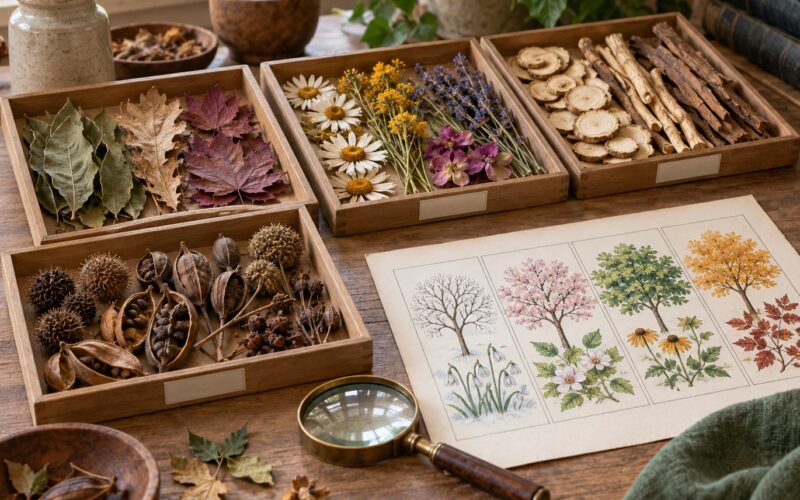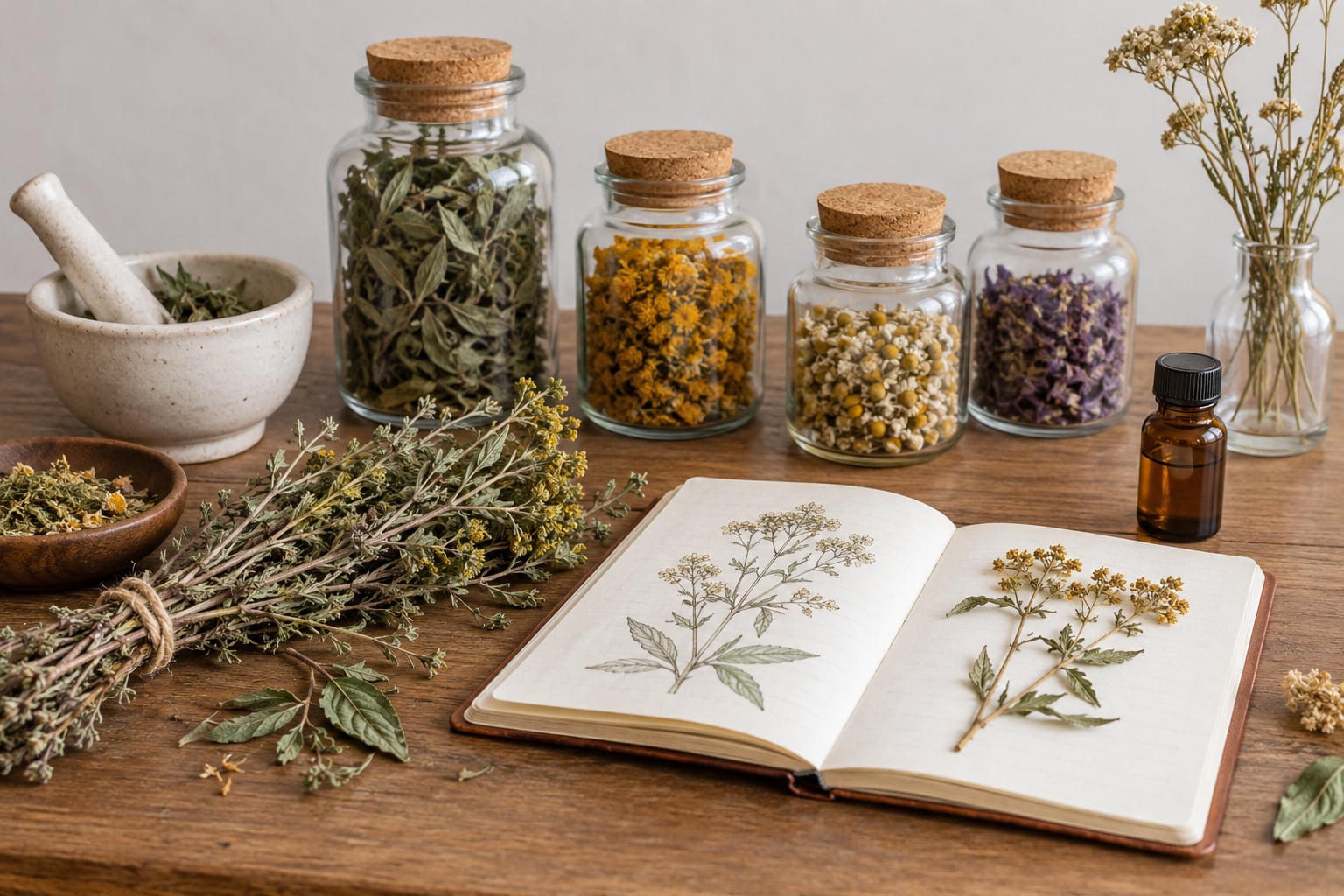
Drug companies study traditional remedies for a practical reason: generations of human use have already done part of the screening work for them, and the plants they point to keep producing medicines that synthetic chemistry alone rarely finds. On top of that, natural products yield a higher share of usable leads per screen, and the supply of easy-to-synthesise chemistry is thinning as patents expire on older drugs. The catch is real, too. Most traditional remedies never become medicines, many of the published studies are weak, and reading research findings as personal medical advice is risky.
Below is a plain-English tour of the whole process: what counts as a traditional remedy, why the money follows this path, what happens between a forest and a pharmacy, where the failures pile up, and what communities get out of it if the collaboration is set up properly.
Table of Contents
- 1What Do Drug Companies Mean by Traditional Remedies?
- 2Why Drug Companies Study Traditional Remedies
- 3Why Drug Companies Study Traditional Remedies in the Laboratory
- 4What Happens After a Remedy Is Discovered?
- 5What Can Traditional Remedies Contribute to Drug Discovery?
- 6What Are the Risks and Limitations of This Research?
- 7How Can Communities Benefit from Research?
- 8Frequently Asked Questions
- 9Does traditional use prove that a remedy is effective?
- 10Why can the same plant produce different results for different people?
- 11Does a scientific study of a traditional remedy make it safe to use?
- 12How many traditional remedies become approved medicines?
- 13Should researchers need permission from the community that supplied the knowledge?
- 14What is the difference between a traditional remedy and a modern drug?
- 15The Key Takeaway
What Do Drug Companies Mean by Traditional Remedies?
For a pharmaceutical researcher, a traditional remedy is any long-standing practice of treating illness with a natural material, usually a plant, sometimes a fungus, mineral, animal product or marine organism. The practice has to be documented and repeated, not a one-off experiment.
That definition covers a very wide range of things, and the range matters. On one end sit documented therapeutic practices with written records: Ayurveda in South Asia, Traditional Chinese Medicine, African traditional medicine, and indigenous healing systems in the Americas, Africa and Oceania. On the other end sit claims that have never been tested, described or reproduced. Studying a remedy tells you something was worth studying. It does not tell you the remedy works, and it says even less about whether a product on a shop shelf contains anything active.
Two fields supply the vocabulary. Ethnobotany studies how people use plants for food, medicine, shelter and materials. Ethnopharmacology is the branch that deals specifically with medicinal remedies and turns them into testable hypotheses. A third term shows up often in this research area, reverse pharmacology: instead of starting with a disease target in a laboratory and searching for a molecule, you start with a substance people already use and work backwards to the mechanism.
Scale is the other reason the topic gets attention. The World Health Organization has long estimated that roughly 80% of the world’s population relies on traditional herbal medicine for primary care, largely because it is the only care within reach. A remedy that a billion people use is not a fringe object. It is a large, poorly documented human experiment, and researchers would rather find the signal inside it than pretend it is not there.
Why Drug Companies Study Traditional Remedies
The commercial and scientific reasons line up more than most people expect, and they fall into six groups.
- Centuries of use act as a free pre-screen. A synthetic screen tests millions of random molecules and finds a handful of weak signals. A plant that a community has used for fever for two hundred years has already been filtered by human trials nobody published. The medicine man ran the phase 1 study at a cost of one bowl of soup.
- Natural products carry unfamiliar chemistry. Plant molecules have skeletons that laboratory synthesis rarely produces on demand, which is why terms like novel scaffold keep appearing in this literature. Find one and you may find a family of useful derivatives around it.
- The hit rate is higher. Screening of natural material has historically produced active compounds at a higher rate per compound tested than purely synthetic libraries, which is a big deal when each test costs money and a year of staff time.
- The easy synthetic chemistry is running out. When patents expire on blockbuster drugs, companies need replacements that are genuinely different, and reproducing the structures of known plants, bacteria and marine organisms is one of the few remaining routes to novelty.
- Unmet need points at overlooked remedies. Some conditions lack a good treatment, and plants used for those conditions in the field become leads for researchers with nothing better to offer.
- It protects biodiversity, at least in theory. When a remedy becomes a product with a real market, the plant has a reason to still be growing in a decade. That argument depends entirely on what the company does with the plant once the patent is granted, which is a fair thing to ask about.
The examples that justify the whole enterprise are well documented. Quinine from the cinchona bark turned the Andes into the centre of world medicine and eventually into a European colony. Morphine from the opium poppy became the first pure drug and shaped the field of pharmacology. Reserpine from Rauwolfia serpentina became a treatment for high blood pressure in the 1950s. Digoxin came from foxglove. Paclitaxel came from the Pacific yew. Metformin grew out of research on Galega officinalis, goat’s rue, used for centuries as a folk remedy for a diabetic-like condition. And artemisinin, taken from sweet wormwood after a clue in a 4th-century Chinese text, led to a treatment for malaria and a Nobel Prize in Physiology or Medicine in 2015 for Youyou Tu.
That last one is the story researchers tell most often, because the clue was written down centuries before anyone had the tools to act on it.
Why Drug Companies Study Traditional Remedies in the Laboratory
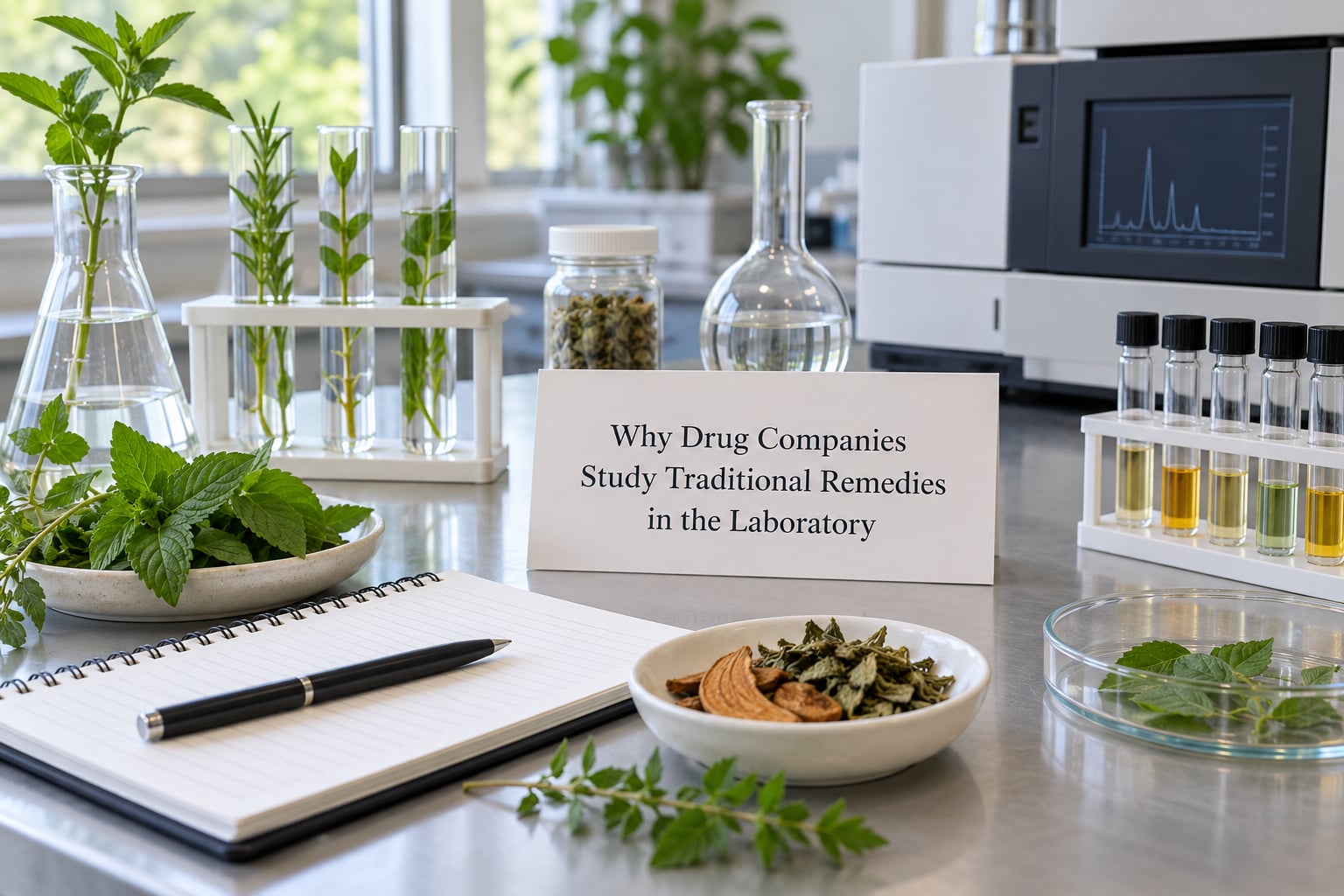
Traditional-use records narrow an enormous search space down to something a lab can hold in its hands. When a research group documents that a specific plant is used for a specific complaint in a specific region, that note decides which species get collected and which assay gets run first. It is triage, and it is the cheapest triage available.
The bench work that follows is more ordinary than the story suggests. A taxonomist confirms the plant’s identity, because the name in a recipe is often a folk name shared by several species. The material is dried, and a voucher specimen is deposited so the exact plant can be identified again years later. Extracts go through phytochemical screening, and the fractions are separated by chromatography until a specific compound can be isolated and its structure determined. Those compounds are tested in cells, in enzymes and in animals, and the ones that hit become lead compounds.
Two wrinkles make life harder than the textbook version. Plants of the same species can carry different chemotypes depending on soil, altitude and season, so the same plant is not always the same medicine. And a traditional preparation is a mixture: decoction of several plants, fermentation, or a process like the cold extraction described in the old Chinese text that pointed researchers toward artemisinin rather than boiling the leaves.
All of this happens at the bench. It shows a compound can do something. It does not show a person gets better, and it says nothing about the correct dose or the risk of harm.
What Happens After a Remedy Is Discovered?
Most of what gets studied is discarded before it reaches a patient, and the stages below are the gauntlet.
- Document the knowledge. Researchers record who uses the plant, for what, and how it is prepared, and the terms of any agreement with that community are settled before collection.
- Authenticate and collect. The species is confirmed, plant parts are collected under controlled conditions, and a sample is banked for future work.
- Screen and isolate. Extracts are tested against targets, cells or pathogens, and promising compounds are purified and structurally identified.
- Optimise the lead. Chemists tweak the molecule to improve potency, selectivity and how the body absorbs it, because the natural version often needs help before it becomes a medicine.
- Preclinical testing. Toxicology, dosing and studies in animals, including reproductive and cancer-risk work, before any human trial begins.
- Clinical trials. Phases one to three: safety and dosing, then efficacy against a placebo, then larger trials and comparisons with existing treatment.
- Regulatory review and approval. Regulators examine the whole body of evidence and the manufacturing process before a medicine reaches pharmacies.
Industry estimates, often repeated in drug discovery literature, put failure at around 90 percent for candidates entering clinical development, with the figure higher when you count everything screened. That is why researchers who work in this field tend to be blunt about the failure rate of traditional remedies. A plant being used for centuries is a lead, not a finished medicine, and the vast majority of leads end quietly in a freezer or a discarded extract file.
There is a second, quieter loss. A remedy that gets studied but never approved leaves the community with nothing. The record exists, the paper is published, and no product, no income and no improved local care come back.
What Can Traditional Remedies Contribute to Drug Discovery?
The contribution is not limited to finished medicines. Here is what these remedies actually add to the science.
- New chemical starting points. Plants, fungi, marine organisms and bacteria supply structures that synthetic libraries do not contain. Once a scaffold is found, chemists can build many related compounds on it.
- Prioritisation that saves time. A plant already used for a symptom tells a team where to spend the next year of work, which matters when a screen that yields nothing still costs a small fortune.
- Insight into whole preparations. When researchers study the full decoction rather than one compound, they sometimes find synergy between ingredients. That has fed a long-running argument about whether phytomedicines should be judged molecule by molecule.
- Leads for conditions with few options. Any area of medicine where current treatment is poor is attractive, because the regulatory and commercial bar for something genuinely new is lower.
African traditional medicine sits inside this story rather than beside it. Artemisia afra, used across the southern African region for a wide range of complaints, is closely related to the plant behind artemisinin and is studied for its own chemistry. Sutherlandia frutescens, a legume used for fever and pain, has been examined for its effects on immune cells in the laboratory. Rooibos is a good example of the other direction: a plant with such a clean safety profile that research has focused on its chemistry and its commercial production as much as on a new drug lead.
These are leads, and the distinction matters. A laboratory result in a journal is a stage of work, not a finished answer for a patient.
| Traditional remedy | Plant or source | Compound | Medicine | Used for | Isolated |
|---|---|---|---|---|---|
| Bitter bark | Cinchona species | Quinine | Quinine | Malaria | 1820 |
| Opium | Papaver somniferum | Morphine | Morphine | Severe pain | 1805 |
| Snake root | Rauwolfia serpentina | Reserpine | Reserpine | High blood pressure | 1952 |
| Foxglove | Digitalis lanata | Digoxin | Digoxin | Heart failure and arrhythmia | 1930 |
| Pacific yew | Taxus brevifolia | Paclitaxel | Taxol | Ovarian, breast and lung cancer | 1966 |
| Sweet wormwood | Artemisia annua | Artemisinin | Artemotil and artesunate combinations | Malaria | 1972 |
| Goat’s rue | Galega officinalis | Galegine as a starting point | Metformin | Type 2 diabetes | 1910s to 1950s |
| Eyesedrops used by healers | Atropa belladonna | Atropine | Atropine | Premedication, glaucoma, poisoning | 1831 |
What Are the Risks and Limitations of This Research?
The honest list is longer than the promotional one, and readers are better served by hearing it.
Reliable use is not evidence. A remedy can be used faithfully for generations and still have no active compound. Long use tells you a practice persisted, not that it worked. The same applies in reverse: a remedy can help one person through a real effect, a placebo effect, or a change that had nothing to do with the remedy.
Plant identity and quality drift. Folk names cover several species, adulteration is common in supply chains, and a study of a purified extract in a laboratory may describe something quite different from what a person actually buys. Readers raised on the peer commentary thread at Massive Science put it plainly: if the tested substance is not the substance being sold, a result in either direction means very little.
Weak study design in the literature. A review of 42 reviews of Chinese herbal medicine found that close to half failed to produce evidence of acceptable quality. Small samples, no control groups, unclear blinding and no published protocol are common, and publication bias toward positive results makes the picture rosier than it is.
Natural does not mean harmless. Several plants used in traditional practice cause liver or kidney damage, and some are toxic to the heart or nervous system. Interactions with prescription medicines are a well-documented clinical problem, with St. John’s wort the standard example. Contamination with heavy metals or undeclared pharmaceuticals is a real finding in product testing.
Preparation decides the dose. Decoction, powder, tincture and extract deliver different amounts of anything, so a study of one form says little about another. This is one reason the field struggles with standardisation and with pharmacopoeias, which exist to describe products precisely enough to compare them.
Knowledge can be lost, or taken. When a plant is patented by someone who had no role in the knowledge, the community that supplied it may gain nothing and lose control over it. Biopiracy is the term researchers use for that gap, and a remedy is the kind of thing that a company can extract value from without credit.
Reading a study as medical advice. This is the risk that reaches individual readers directly. A finding about a compound in a cell line says nothing about a product, a dose or a person. Anyone weighing a health decision should talk to a doctor or a pharmacist first, especially if they take any prescription medicine.
How Can Communities Benefit from Research?
The difference between a good collaboration and a bad one is decided before anyone sets foot in the field, not after a patent is filed.
The Nagoya Protocol, an international agreement on access to genetic resources and the fair sharing of benefits from their use, sets out the general expectations: prior informed consent, a mutually agreed benefit-sharing arrangement, and respect for the rights of indigenous and local communities. The Traditional Knowledge Digital Library does something more specific by giving patent offices a searchable record of documented traditional uses, which lets examiners check whether a patent claim overlaps existing community knowledge. If it does, the claim can be challenged.
In practice, good collaboration looks like this:
- Community members are in the room when the research question is set, not when results are presented.
- Consent is written, translated where needed, and revocable.
- Knowledge is attributed, so that a species and its community are named in publications rather than reduced to a specimen number.
- Benefit-sharing is spelled out in advance and includes money, training, equipment, and continuing access to anything produced.
- Sacred or restricted knowledge is excluded from the study entirely, and that decision is not overridden by a research funder.
- Results, negative as well as positive, go back to the community in a form people can use.
There is a commercial argument for this too. A company that starts with consent and a benefit agreement faces fewer disputes later, and a remedy that keeps a community’s livelihood intact keeps a supply chain intact. Communities that feel excluded tend to stop sharing knowledge, and then nobody gets the lead.
Frequently Asked Questions
Does traditional use prove that a remedy is effective?
No. Long use shows a practice persisted, which is a weak signal at best. It may reflect a real biological effect, a natural resolution, the body’s own response, or effects no study could separate from expectation. Only controlled human trials can test effectiveness, and many traditional remedies have never been through one.
Why can the same plant produce different results for different people?
Preparation changes the dose. A decoction, a powder and a tincture deliver different amounts of the same compounds. Soil, season and chemotype change what a plant contains, and prepared products vary in identity and purity. On top of that, people differ in genetics, age, liver function and the medicines they already take. Two people using the same remedy are rarely getting the same thing.
Does a scientific study of a traditional remedy make it safe to use?
Not by itself. A study usually tests one compound, at doses and in situations nothing like a household preparation. Safety depends on identity, dose, contaminants, interactions with prescription medicines, and the health of the person taking it. Several traditional plants are known to injure the liver or kidneys. Ask a doctor or pharmacist before starting any remedy alongside prescribed medicine.
How many traditional remedies become approved medicines?
Few. Around 90 percent of drug candidates fail during development, and far fewer traditional remedies are even selected for study, since most never get past a screening plate. A small number do succeed, and their impact has been large: artemisinin for malaria, quinine before it, paclitaxel and digoxin among others. A plant being studied is a lead, not a pending medicine.
Should researchers need permission from the community that supplied the knowledge?
Most current ethical and legal standards say yes. The Nagoya Protocol requires prior informed consent and a benefit-sharing agreement before genetic resources or associated traditional knowledge are collected, and the Traditional Knowledge Digital Library lets patent examiners check claims against documented community use. Where a community declines, the study does not proceed, and that refusal is respected.
What is the difference between a traditional remedy and a modern drug?
A traditional remedy comes with a record of use rather than a record of trials, and its identity and dose often vary. A modern drug is a defined substance, or a defined mixture, made to a controlled standard, with its safety and efficacy established in laboratory, animal and human studies, and reviewed by a regulator before sale. The practical difference is what is known, and what is guaranteed batch to batch.
The Key Takeaway
Drug companies study traditional remedies because the search for a new medicine is expensive, slow and unreliable, and traditional use is the largest pre-existing record of which natural materials do something in people. The reasons are scientific and commercial at once, and neither one cancels the other.
So treat a reported traditional use as a research lead worth taking seriously, not as proof. And if the question is whether a remedy is right for you, take that to a doctor or a pharmacist rather than to a paper.